Posts

Showing posts with the label ent specialist

Does My Child have Breathing Issues?

Image
Laryngomalacia Sometimes babies have noisy breathing. This can be due to congestion, or it can be a condition of the larynx called laryngomalacia. Laryngomalacia is a congenital softening of the tissues of the larynx, commonly known as the voice box, above the vocal cords. Laryngomalacia is the most common cause of raspy, noisy breathing in infancy. It happens when the structure of the larynx is floppy and malformed. This causes the tissues to fall over the airway, partially blocking it and creating noise when breathing. Tracheostomy A tracheostomy is a surgical procedure to create an opening through the neck into the trachea (windpipe). A tube is usually placed through this opening to provide an airway and to remove secretions from the lungs. This tube is called a tracheostomy tube or trach tube. Bronchoscopy A bronchoscopy is a test performed to view and diagnose problems in the bronchial tubes or related to lung disease. The procedure is performed using a bronchoscope, a device use...

How do Cochlear Implants Work?

Image
  Cochlear implants bypass damaged hair cells and convert speech and environmental sounds into electrical signals and send these signals to the hearing nerve. The implant consists of a small electronic device, which is surgically implanted under the skin behind the ear and an external speech processor, which is usually worn on a belt or in a pocket. A microphone is also worn outside the body as a headpiece behind the ear to capture incoming sound. The speech processor translates the sound into distictive electrical signals. These 'codes' travel up a thin cable to the headpiece and are transmitted across the skin via radio waves to the implanted electrodes in the cochlea. The electrodes’ signals stimulate the auditory nerve fibers to send information to the brain where it is interpreted as meaningful sound. Cochlear implant benefits Implants are designed only for individuals who attain almost no benefit from a hearing aid. They must be 12 months of age or older (unless childhoo...

Can Children Suffer from Sinus Infections?

Image
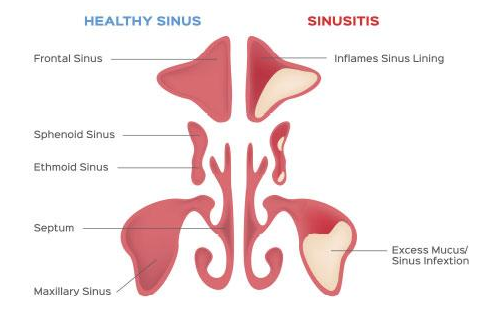
  Your child’s sinuses are not fully developed until age 20. However, kids can still suffer from sinus infection . Although small, the maxillary (behind the cheek) and ethmoid (between the eyes) sinuses are present at birth. Sinusitis is difficult to identify in children because respiratory infections are more frequent, and symptoms can be subtle. Unlike a cold or allergy, bacterial sinusitis requires a physician’s diagnosis and treatment with an antibiotic to prevent future complications. The following symptoms may indicate a sinus infection in your child: A “cold” lasting more than 10 to 14 days, sometimes with low-grade fever Thick yellow-green nasal drainage Post-nasal drip, sometimes leading to or exhibited as sore throat, cough, bad breath, nausea and/or vomiting Headache, usually not before age 6 Irritability or fatigue Swelling around the eyes If despite appropriate medical therapy these symptoms persist, care should be taken to seek an underlying cause. The role of allergy...

What is A Deviated Septum?

Image
  The shape of your nasal cavity could be the cause of difficulty breathing through your nose or contributing to episodes of sinusitis. The nasal septum is the wall dividing the nasal cavity into halves; it is composed of a central supporting skeleton covered on each side by mucous membrane. The front portion of this natural partition is a firm, but bendable structure made mostly of cartilage and is covered by skin that has a substantial supply of blood vessels. The ideal nasal septum is exactly midline, separating the left and right sides of the nose into passageways of equal size. Estimates are that 80% of all nasal septum’s are off-center, a condition that is generally not noticed. A “deviated septum” occurs when the septum is shifted away from the midline. The most common symptom from a deviated or crooked septum is difficulty breathing through the nose. The symptoms are usually worse on one side, and sometimes actually occur on the side opposite the bend. In some cases, the cr...

What Causes Abnormal Secretions?

Image
  Thin Secretions: Increased thin clear secretions can be due to colds and flu, allergies, cold temperatures, bright lights, certain foods/spices, pregnancy, and other hormonal changes. Various drugs (including birth control pills and high blood pressure medications) and structural abnormalities can also produce increased secretions. These abnormalities might include a deviated or irregular nasal septum (the cartilage and bony dividing wall that separates the two nostrils). Thick Secretions: Increased thick secretions in the winter often result from dryness in heated buildings and homes. They can also result from sinus or nose infections and allergies, especially to foods such as dairy products. If thin secretions become thick, and turn green or yellow, it is likely that a bacterial sinus infection is developing. In children, thick secretions from one side of the nose can mean that something is stuck in the nose such as a bean, wadded paper, or piece of toy. If these symptoms are o...

How is Allergic Rhinitis Treated?

Image
Allergic rhinitis typically results from two conditions: family history/genetic predisposition to allergic disease and exposure to allergens. Allergens are substances that produce an allergic response. Children are not born with allergies but develop symptoms upon repeated exposure to environmental allergens. The earliest exposure is through food — and infants may develop eczema, nasal congestion, nasal discharge, and wheezing caused by one or more allergens (milk protein is the most common). Allergies can also contribute to repeated ear infections in children. In early childhood, indoor exposure to dust mites, animal dander, and mold spores may cause an allergic reaction, often lasting throughout the year. Outdoor allergens including pollen from trees, grasses, and weeds primarily cause seasonal symptoms. The number of patients with allergic rhinitis has increased in the past decade, especially in urban areas. Before adolescence, twice as many boys as girls are affected; however, aft...

When Should I Consider Visiting an ENT Doctor?

Image
Many patients wonder when they need to seek the assistance of a specialist. An ENT (ear, nose, and throat) doctor, or “otolaryngologist,” is a specialist who focuses on problems that impact these three areas. This may include anything from tonsillitis to swimmer’s ear. Otolaryngology is a medical specialty that pays close attention the neck up, helping patients who have conditions and disorders that impact these main areas. What does an ENT specialist do? Otolaryngologists are professionals who have not only attended and graduated from medical school, but have completed extra specialty training and passed certification examinations. They are experts in conditions of the ear, nose, throat, head, and neck, and focus primarily on these areas. Why is an ENT better than a primary care physician? Primary care physicians are doctors that have knowledge in a wide range of areas, but don’t specialize in any of them. An otolaryngologist is a doctor with specific training of the conditions that i...

Why Does My Child Keep Getting Nose Bleeds?

Image
What are the causes of recurring nosebleeds? Allergies, infections, or dryness that cause itching and lead to picking of the nose Vigorous nose blowing ruptures superficial blood vessels Clotting disorders that run-in families or are due to medications Drugs (such as anticoagulants or anti-inflammatories) Fractures of the nose or the base of the skull. Head injuries that cause nosebleeds should be regarded seriously. Hereditary hemorrhagic telangiectasia, a disorder involving a blood vessel growth like a birthmark in the back of the nose Tumors, both malignant and nonmalignant, must be considered, particularly in the older patient or in smokers When should an otolaryngologist be consulted? If frequent nosebleeds are a problem, it is important to consult an otolaryngologist. An ear, nose, and the nose, prior to making a treatment recommendation. Two  of the most common treatments are cautery and packing the nose. Cautery is a technique in which the blood vessel is burned with an el...

Can Fireworks Damage My Hearing?

Image
During the Summer evening of the Fourth of July, you’re most likely going to see fireworks in the sky. Whether you are watching professional fireworks or have purchased your own fireworks, hearing loss is a real risk to yourself and those around you. Babies should never be exposed to fireworks. An infant’s ear canal is much smaller than older children or adults. Therefore, the sound pressure roaring into the ear is much greater. To an infant, a sound that is not that loud to an adult may be 20 decibels louder to an infant. How to Protect Your Hearing Keep Distance from You and the Fireworks. Skip home displays and watch professional displays from a distance Bring earplugs, earmuffs and/or noise cancelling headphones Noise Induced Hearing Loss (NIHL) One of the top ways Americans lose their hearing is from noise induced activities. This may be a result from one’s occupation that include construction, airport attendant, nightclub worker, or even a racecar driver. This may cause tinnitus...

Do I Have a Food Allergy?

Image
  If you have a food allergy, your immune system overreacts to a specific protein found in that food. Many food allergies are diagnosed in young children, though they may also appear in older children and adults. Many people with environmental allergies also have food allergies. Food allergy reactions can be life-threatening, and can come on suddenly, usually within minutes to a couple of hours after eating the trigger food. Symptoms of a food allergy can include: Hives or red, itchy skin Stuffy or itchy nose, sneezing or itchy, teary eyes Vomiting, stomach cramps or diarrhea Angioedema or swelling In some cases, food allergy can cause a severe allergic reaction known as anaphylaxis. Signs include: Hoarseness, throat tightness or a lump in the throat Wheezing, chest tightness or trouble breathing Tingling in the hands, feet, lips or scalp Many people who think they are allergic to a food may be intolerant to it. Some of the symptoms of food intolerance and food allergy are similar...

What can I Treat Environmental Allergies?

Image
Avoidance Avoidance of a known environmental or seasonal allergy is the most basic form of allergy therapy These allergens may include tree pollen, grass and weed pollen, dust mites, animal dander and mold. Examples of avoidance measures include but are not limited to allergen-proof pillow and mattress covers to reduce exposure to dust mites, not letting pets into your bedroom if you are allergic to pet dander, or avoidance of outdoor activities during pollen season if tree, weed, or grass pollen is the offending agent. Try your best to avoid or minimize contact with your problematic allergens. Pharmacotherapy Unfortunately, avoidance alone may not always be effective and frequently difficult to adhere to. Over the counter and prescription allergy medications can be quite effective at soothing your immune system reaction and easing symptoms. These allergy treatment options can include oral medications such as antihistamines, nasal sprays, and eye drops. Medications can control allergy...

What is Nasal Obstruction?

Image
 Nasal obstruction is often caused by anatomical blockage in the nose, hindering airflow. As a result, you may feel congested or “stuffy”. Home remedies and medications may offer temporary relief. It’s only when your nasal airway is opened that you can expect to find real, lasting relief. Common symptoms of nasal obstruction: Trouble breathing through your nose Nasal congestion Difficulty sleeping  Difficulty breathing during physical exertion VivAer®Treatment Lasting relief is possible. If you regularly have trouble breathing through your nose and nothing seems to help, you may have nasal obstruction . Until now, finding a long-term solution often meant surgery. Now, your physician may be able to offer you lasting relief by performing a non-invasive VivAer treatment to open your nasal airway. Lasting Relief. 97% of patients experienced significant improvement in nasal breathing. Non-invasive solution. Minimal discomfort, no incisions, and can be performed in our office. Liv...

Do I have Seasonal Allergies?

Image
Warmer weather, days spent at the park and long bike rides with your family more is a beautiful thing, until your allergies start to flare up. Allergy season is just starting. We encourage you to be proactive about your allergies rather than reactive. Allergens, usually harmless substances, can affect an immune response in an individual resulting in an allergic reaction. These allergens can come in the form of pollen, mold spores, dust mites, pet dander, and more. When an allergen enters the eyes, the lining of the nose or lungs the allergic reaction occurs, and symptoms begin to appear. Symptoms may include itchy eyes, watery eyes, itchy ears, sneezing, nasal discharge, congestion, headaches, fatigue, sinus infections, and dizziness. Allergic rhinitis is also usually associated with asthma. While irritating, environmental allergies can have a very negative impact on the quality of life, causing restless nights of sleep, missing family functions and having to call out of work. What cau...

How Can I Help My Baby with Congestion?

Image
  Every child will experience congestion, especially in the Winter months. This can be a hardship for babies and parents. Congestion can lead to poor eating and lack of sleep due to breathing issues. Infants do not know how to blow their nose, so we must help them! To start, it’s not always clear what’s causing congestion. Infants and toddlers often catch the common cold due to their immunity building. On the other hand, there are several other reasons for causes of congestion . Start with the basics Congestions may also cause feeding issues when your baby is all stuffed up. Imagine trying to intake food with a huge blockage in your airway? The cause of congestion could instead be an allergy, which would require an allergy test. Congestion can occur when a piece of food and/or another object gets stuck in your child’s nose. In this case, we recommend bringing your child to the emergency room or their pediatrician. Do not try to remove anything yourself! Lastly, congestion may be an...

Does My Child Have Speech Delays? How Can an ENT Help?

Image
  Speech delays are very common amongst young children and have many different contributing factors. Many parents will express their concerns to their pediatrician, who will first assess the clarity and number of words in the child’s vocabulary. There are different benchmarks for each stage of development and your pediatrician advise if your child is within normal limits. There are many different contributing factors to speech delays in children, including but not limited to: Bilingual upbringing Hearing Loss Comprehension Audtiory Processing So how can an ENT help? An ENT will likely first rule out hearing loss as the culprit by ordering a complete audiogram. Audiograms are done by an audiologist that is trained to test children with appropriate methods for their age. If the results show a hearing loss of significant degree that would cause speech delays , an ENT may order additional testing, such as a CT or MRI to rule out anatomical issues. Additionally, fluid build up may decre...

What are the Differences Between Allergies and A Cold?

Image
  While allergy symptoms may seem very similar to cold symptoms there are several things that can help an individual determine what may be the cause of their symptoms. Allergies typically cause chronic symptoms while cold symptoms are more acute. A cold can affect a person for 7-10 days while allergies can affect an individual seasonally or chronically through out the year. Cold symptoms are caused by a viral infection. Symptoms typically present asrunny or stuffy nose, sore throat, cough, congestion, slight body aches, mild headache, sneezing, and a low-grade fever. As the cold is caused by a virus, antibiotics will not typically improve symptoms. Over the counter cold and flu medications will help treat the symptoms while the infection runs its course. Allergies occur when your immune system identifies a particular allergen as harmful even though it isn’t. Your immune system reaction can inflame your skin, sinuses, airways, or digestive system. Allergy testing includes environme...

What Are the Benefits of Getting Hearing Aids?

Image
At the end of the day, the technological advancements bring us to the ultimate benefit: improved communication and quality of life.  Hearing aids offer so much.  If you choose to pursue hearing aids, enjoy this transformative journey. Years ago, early technology in hearing aids provided benefit, but the benefit was minimal.  Our audiology forefathers preached the benefits for hearing aids. However, in many cases, sounds were made louder and not much else benefit was seen.  Patients still reported difficult in various scenarios, such as in background noise, with the television, and when listening to female or younger voices. Fast forward to today.  Hearing aids now actually do what they were designed to do: improve communication across various environments.  In addition to amplifying sound, hearing aids allow the user the benefits of clearer speech.  Depending upon the sophistication of the device, the ability to hear well in background noise can be ac...

Did you hear….October is Audiology Awareness Month!

Image
As we continue to navigate through these tough times, our health has never been more important, as has our ability to communicate.  Hearing healthcare has reached the forefront over the last few years, whereas social distancing and mask wearing has made it difficult for many to hear and converse. Audiology Awareness Month places a spotlight on hearing health, whereas over 38 million people in America have some degree of hearing loss.  Recent statistics indicate that only 20% of that population seek treatment.  Untreated hearing loss can have significant consequences, including higher instances of depression, anger, isolation, and frustration.  It has also been linked to cognitive decline. This October, more than ever, be proactive.  If you feel that you are having difficulty hearing or understanding family, friends, and loved ones, consider meeting a credentialed hearing healthcare provider.  These providers, known as audiologists, will educate you on how y...

Do I Have Strep Throat?

Image
  A common sore throat is brought on by a virus, which can be very infectious and produce symptoms like tiredness, congestion, stuffiness, coughing, aching and a fever. While the symptoms are depressing, the good thing about a virus is that it will run its course in about a week without antibiotics needed. On the other hand, a condition called strep throat is a bacterial infection that’s more complicated to treat. Also highly contagious, strep throat spreads by coughing, sneezing and even speaking. If you suffer from a sore throat , there are ways to determine if what you’re feeling is viral or bacterial. If you experience any of these symptoms, you probably have strep throat: Swallowing is painful A fever of 100.4 or more Swollen lymph nodes on your neck White spots on the back of your mouth Headache or nausea In some cases, swollen and painful tonsils Treating Strep Throat Once strep throat is detected, antibiotics are used to treat it. It’s important to take the complete dose of...

What are Common Illnesses in the Fall Season?

Image
There is a lot to like about the fall season. The cooler weather, changing of leaves, and many holidays make it a fun and festive time of year. However, the change in the weather can also mean new challenges and illnesses that affect your ears, nose, and throat. While many of these issues are more prevalent for children, there are ENT problems that can affect anyone at any age. Here are some of the things to look out for during the fall: The Common Cold There are over 1 billion colds reported in the United States every year, with high activity taking place in the rainy, colder months. Some studies even suggest that the average child will get eight to ten colds per year, primarily from September to March. Viral Upper Respiratory Infections These viruses are spread through coughs, sneezes and even talking, which can seem quite tremendous if you think about every single interaction you have with various people throughout the day. Children at school or a day care environment are at an even...