Posts

Showing posts with the label Allergy testing

What are the Benefits of Immunotherapy for Allergies?

Image
Do you dread allergy season every year? Are you tired of relying on over-the-counter medications that only provide temporary relief? If so, you may want to consider immunotherapy. This revolutionary treatment has been shown to provide long-lasting relief from allergies. But what exactly is immunotherapy, and how does it work? In this blog post, we'll explore the benefits of immunotherapy for allergies and why it may be the solution you've been searching for. 1. Decreases Symptoms of Allergic Reactions Immunotherapy has been proven to be an effective treatment for reducing the symptoms of allergic reactions. By gradually introducing small amounts of allergens to the patient's immune system, it becomes less sensitive to the substance. This helps to desensitize the individual to the allergens that trigger their allergies, so they experience less severe reactions over time. It also helps build immunity and tolerance to allergens. It is particularly recommended for individuals...

Do I Have a Food Allergy?

Image
  If you have a food allergy, your immune system overreacts to a specific protein found in that food. Many food allergies are diagnosed in young children, though they may also appear in older children and adults. Many people with environmental allergies also have food allergies. Food allergy reactions can be life-threatening, and can come on suddenly, usually within minutes to a couple of hours after eating the trigger food. Symptoms of a food allergy can include: Hives or red, itchy skin Stuffy or itchy nose, sneezing or itchy, teary eyes Vomiting, stomach cramps or diarrhea Angioedema or swelling In some cases, food allergy can cause a severe allergic reaction known as anaphylaxis. Signs include: Hoarseness, throat tightness or a lump in the throat Wheezing, chest tightness or trouble breathing Tingling in the hands, feet, lips or scalp Many people who think they are allergic to a food may be intolerant to it. Some of the symptoms of food intolerance and food allergy are similar...

What can I Treat Environmental Allergies?

Image
Avoidance Avoidance of a known environmental or seasonal allergy is the most basic form of allergy therapy These allergens may include tree pollen, grass and weed pollen, dust mites, animal dander and mold. Examples of avoidance measures include but are not limited to allergen-proof pillow and mattress covers to reduce exposure to dust mites, not letting pets into your bedroom if you are allergic to pet dander, or avoidance of outdoor activities during pollen season if tree, weed, or grass pollen is the offending agent. Try your best to avoid or minimize contact with your problematic allergens. Pharmacotherapy Unfortunately, avoidance alone may not always be effective and frequently difficult to adhere to. Over the counter and prescription allergy medications can be quite effective at soothing your immune system reaction and easing symptoms. These allergy treatment options can include oral medications such as antihistamines, nasal sprays, and eye drops. Medications can control allergy...

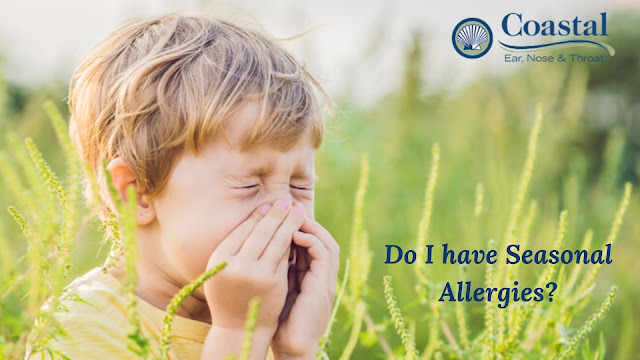
Do I have Seasonal Allergies?

Image
Warmer weather, days spent at the park and long bike rides with your family more is a beautiful thing, until your allergies start to flare up. Allergy season is just starting. We encourage you to be proactive about your allergies rather than reactive. Allergens, usually harmless substances, can affect an immune response in an individual resulting in an allergic reaction. These allergens can come in the form of pollen, mold spores, dust mites, pet dander, and more. When an allergen enters the eyes, the lining of the nose or lungs the allergic reaction occurs, and symptoms begin to appear. Symptoms may include itchy eyes, watery eyes, itchy ears, sneezing, nasal discharge, congestion, headaches, fatigue, sinus infections, and dizziness. Allergic rhinitis is also usually associated with asthma. While irritating, environmental allergies can have a very negative impact on the quality of life, causing restless nights of sleep, missing family functions and having to call out of work. What cau...

How Can I Help My Baby with Congestion?

Image
  Every child will experience congestion, especially in the Winter months. This can be a hardship for babies and parents. Congestion can lead to poor eating and lack of sleep due to breathing issues. Infants do not know how to blow their nose, so we must help them! To start, it’s not always clear what’s causing congestion. Infants and toddlers often catch the common cold due to their immunity building. On the other hand, there are several other reasons for causes of congestion . Start with the basics Congestions may also cause feeding issues when your baby is all stuffed up. Imagine trying to intake food with a huge blockage in your airway? The cause of congestion could instead be an allergy, which would require an allergy test. Congestion can occur when a piece of food and/or another object gets stuck in your child’s nose. In this case, we recommend bringing your child to the emergency room or their pediatrician. Do not try to remove anything yourself! Lastly, congestion may be an...

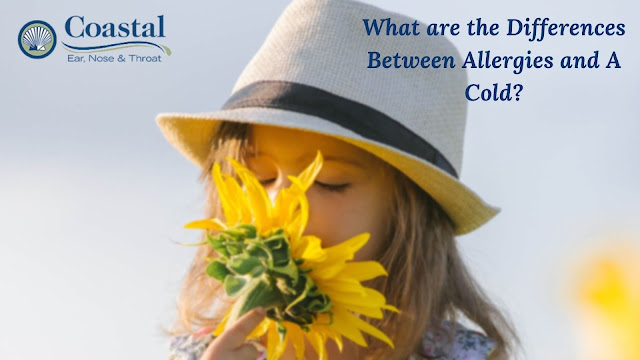
What are the Differences Between Allergies and A Cold?

Image
  While allergy symptoms may seem very similar to cold symptoms there are several things that can help an individual determine what may be the cause of their symptoms. Allergies typically cause chronic symptoms while cold symptoms are more acute. A cold can affect a person for 7-10 days while allergies can affect an individual seasonally or chronically through out the year. Cold symptoms are caused by a viral infection. Symptoms typically present asrunny or stuffy nose, sore throat, cough, congestion, slight body aches, mild headache, sneezing, and a low-grade fever. As the cold is caused by a virus, antibiotics will not typically improve symptoms. Over the counter cold and flu medications will help treat the symptoms while the infection runs its course. Allergies occur when your immune system identifies a particular allergen as harmful even though it isn’t. Your immune system reaction can inflame your skin, sinuses, airways, or digestive system. Allergy testing includes environme...