Posts

Do I Have a Food Allergy?

Image
  If you have a food allergy, your immune system overreacts to a specific protein found in that food. Many food allergies are diagnosed in young children, though they may also appear in older children and adults. Many people with environmental allergies also have food allergies. Food allergy reactions can be life-threatening, and can come on suddenly, usually within minutes to a couple of hours after eating the trigger food. Symptoms of a food allergy can include: Hives or red, itchy skin Stuffy or itchy nose, sneezing or itchy, teary eyes Vomiting, stomach cramps or diarrhea Angioedema or swelling In some cases, food allergy can cause a severe allergic reaction known as anaphylaxis. Signs include: Hoarseness, throat tightness or a lump in the throat Wheezing, chest tightness or trouble breathing Tingling in the hands, feet, lips or scalp Many people who think they are allergic to a food may be intolerant to it. Some of the symptoms of food intolerance and food allergy are similar...

What can I Treat Environmental Allergies?

Image
Avoidance Avoidance of a known environmental or seasonal allergy is the most basic form of allergy therapy These allergens may include tree pollen, grass and weed pollen, dust mites, animal dander and mold. Examples of avoidance measures include but are not limited to allergen-proof pillow and mattress covers to reduce exposure to dust mites, not letting pets into your bedroom if you are allergic to pet dander, or avoidance of outdoor activities during pollen season if tree, weed, or grass pollen is the offending agent. Try your best to avoid or minimize contact with your problematic allergens. Pharmacotherapy Unfortunately, avoidance alone may not always be effective and frequently difficult to adhere to. Over the counter and prescription allergy medications can be quite effective at soothing your immune system reaction and easing symptoms. These allergy treatment options can include oral medications such as antihistamines, nasal sprays, and eye drops. Medications can control allergy...

What is Nasal Obstruction?

Image
 Nasal obstruction is often caused by anatomical blockage in the nose, hindering airflow. As a result, you may feel congested or “stuffy”. Home remedies and medications may offer temporary relief. It’s only when your nasal airway is opened that you can expect to find real, lasting relief. Common symptoms of nasal obstruction: Trouble breathing through your nose Nasal congestion Difficulty sleeping  Difficulty breathing during physical exertion VivAer®Treatment Lasting relief is possible. If you regularly have trouble breathing through your nose and nothing seems to help, you may have nasal obstruction . Until now, finding a long-term solution often meant surgery. Now, your physician may be able to offer you lasting relief by performing a non-invasive VivAer treatment to open your nasal airway. Lasting Relief. 97% of patients experienced significant improvement in nasal breathing. Non-invasive solution. Minimal discomfort, no incisions, and can be performed in our office. Liv...

What is That Ringing in My Ear?

Image
  What is more annoying that a constant ringing sound in your ear? It will drive you nuts! Humming, swishing, clicking, or echoing sounds in your ears usually, points to one thing – tinnitus. The most common reason of tinnitus is prolonged exposure to loud sounds, which causes permanent harm to the cells of the cochlea, a small organ in the inner ear. Among those whose jobs put them at risk for tinnitus are pilots, rock musicians, carpenters, street repair workers, and/orlandscapers. While tinnitus itself isn’t an illness, it is a symptom of other conditions, including: Ear infections Hearing loss Wax accumulation in the ear caused by an ear infection, or in rare cases, a benign tumor of the auditory nerve Aging, where the cochlea depreciates over time Exposure to loud noise Damage to the ear Certain medications like aspirin, antibiotics, anti-inflammatories, anti-depressants, and sedatives Medication conditions such as anemia, high blood pressure, heart disease, allergies, undera...

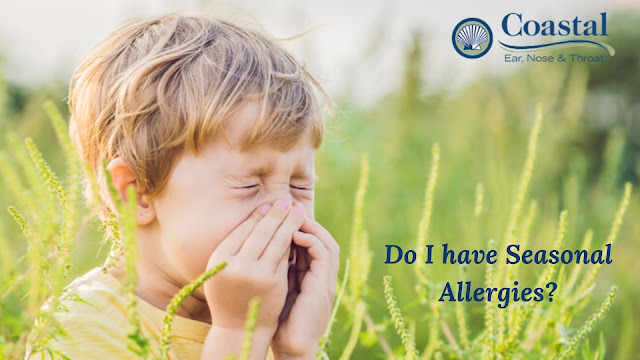
Do I have Seasonal Allergies?

Image
Warmer weather, days spent at the park and long bike rides with your family more is a beautiful thing, until your allergies start to flare up. Allergy season is just starting. We encourage you to be proactive about your allergies rather than reactive. Allergens, usually harmless substances, can affect an immune response in an individual resulting in an allergic reaction. These allergens can come in the form of pollen, mold spores, dust mites, pet dander, and more. When an allergen enters the eyes, the lining of the nose or lungs the allergic reaction occurs, and symptoms begin to appear. Symptoms may include itchy eyes, watery eyes, itchy ears, sneezing, nasal discharge, congestion, headaches, fatigue, sinus infections, and dizziness. Allergic rhinitis is also usually associated with asthma. While irritating, environmental allergies can have a very negative impact on the quality of life, causing restless nights of sleep, missing family functions and having to call out of work. What cau...

How Can I Help My Baby with Congestion?

Image
  Every child will experience congestion, especially in the Winter months. This can be a hardship for babies and parents. Congestion can lead to poor eating and lack of sleep due to breathing issues. Infants do not know how to blow their nose, so we must help them! To start, it’s not always clear what’s causing congestion. Infants and toddlers often catch the common cold due to their immunity building. On the other hand, there are several other reasons for causes of congestion . Start with the basics Congestions may also cause feeding issues when your baby is all stuffed up. Imagine trying to intake food with a huge blockage in your airway? The cause of congestion could instead be an allergy, which would require an allergy test. Congestion can occur when a piece of food and/or another object gets stuck in your child’s nose. In this case, we recommend bringing your child to the emergency room or their pediatrician. Do not try to remove anything yourself! Lastly, congestion may be an...

Does My Child Have Speech Delays? How Can an ENT Help?

Image
  Speech delays are very common amongst young children and have many different contributing factors. Many parents will express their concerns to their pediatrician, who will first assess the clarity and number of words in the child’s vocabulary. There are different benchmarks for each stage of development and your pediatrician advise if your child is within normal limits. There are many different contributing factors to speech delays in children, including but not limited to: Bilingual upbringing Hearing Loss Comprehension Audtiory Processing So how can an ENT help? An ENT will likely first rule out hearing loss as the culprit by ordering a complete audiogram. Audiograms are done by an audiologist that is trained to test children with appropriate methods for their age. If the results show a hearing loss of significant degree that would cause speech delays , an ENT may order additional testing, such as a CT or MRI to rule out anatomical issues. Additionally, fluid build up may decre...