Posts

Can Children Suffer from Sinus Infections?
Image
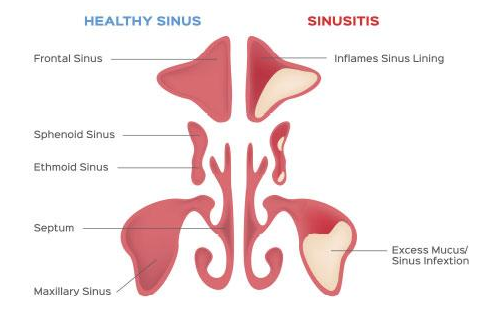
  Your child’s sinuses are not fully developed until age 20. However, kids can still suffer from sinus infection . Although small, the maxillary (behind the cheek) and ethmoid (between the eyes) sinuses are present at birth. Sinusitis is difficult to identify in children because respiratory infections are more frequent, and symptoms can be subtle. Unlike a cold or allergy, bacterial sinusitis requires a physician’s diagnosis and treatment with an antibiotic to prevent future complications. The following symptoms may indicate a sinus infection in your child: A “cold” lasting more than 10 to 14 days, sometimes with low-grade fever Thick yellow-green nasal drainage Post-nasal drip, sometimes leading to or exhibited as sore throat, cough, bad breath, nausea and/or vomiting Headache, usually not before age 6 Irritability or fatigue Swelling around the eyes If despite appropriate medical therapy these symptoms persist, care should be taken to seek an underlying cause. The role of allergy...

What is A Deviated Septum?

Image
  The shape of your nasal cavity could be the cause of difficulty breathing through your nose or contributing to episodes of sinusitis. The nasal septum is the wall dividing the nasal cavity into halves; it is composed of a central supporting skeleton covered on each side by mucous membrane. The front portion of this natural partition is a firm, but bendable structure made mostly of cartilage and is covered by skin that has a substantial supply of blood vessels. The ideal nasal septum is exactly midline, separating the left and right sides of the nose into passageways of equal size. Estimates are that 80% of all nasal septum’s are off-center, a condition that is generally not noticed. A “deviated septum” occurs when the septum is shifted away from the midline. The most common symptom from a deviated or crooked septum is difficulty breathing through the nose. The symptoms are usually worse on one side, and sometimes actually occur on the side opposite the bend. In some cases, the cr...

What Causes Abnormal Secretions?

Image
  Thin Secretions: Increased thin clear secretions can be due to colds and flu, allergies, cold temperatures, bright lights, certain foods/spices, pregnancy, and other hormonal changes. Various drugs (including birth control pills and high blood pressure medications) and structural abnormalities can also produce increased secretions. These abnormalities might include a deviated or irregular nasal septum (the cartilage and bony dividing wall that separates the two nostrils). Thick Secretions: Increased thick secretions in the winter often result from dryness in heated buildings and homes. They can also result from sinus or nose infections and allergies, especially to foods such as dairy products. If thin secretions become thick, and turn green or yellow, it is likely that a bacterial sinus infection is developing. In children, thick secretions from one side of the nose can mean that something is stuck in the nose such as a bean, wadded paper, or piece of toy. If these symptoms are o...

How is Allergic Rhinitis Treated?

Image
Allergic rhinitis typically results from two conditions: family history/genetic predisposition to allergic disease and exposure to allergens. Allergens are substances that produce an allergic response. Children are not born with allergies but develop symptoms upon repeated exposure to environmental allergens. The earliest exposure is through food — and infants may develop eczema, nasal congestion, nasal discharge, and wheezing caused by one or more allergens (milk protein is the most common). Allergies can also contribute to repeated ear infections in children. In early childhood, indoor exposure to dust mites, animal dander, and mold spores may cause an allergic reaction, often lasting throughout the year. Outdoor allergens including pollen from trees, grasses, and weeds primarily cause seasonal symptoms. The number of patients with allergic rhinitis has increased in the past decade, especially in urban areas. Before adolescence, twice as many boys as girls are affected; however, aft...

When Should I Consider Visiting an ENT Doctor?

Image
Many patients wonder when they need to seek the assistance of a specialist. An ENT (ear, nose, and throat) doctor, or “otolaryngologist,” is a specialist who focuses on problems that impact these three areas. This may include anything from tonsillitis to swimmer’s ear. Otolaryngology is a medical specialty that pays close attention the neck up, helping patients who have conditions and disorders that impact these main areas. What does an ENT specialist do? Otolaryngologists are professionals who have not only attended and graduated from medical school, but have completed extra specialty training and passed certification examinations. They are experts in conditions of the ear, nose, throat, head, and neck, and focus primarily on these areas. Why is an ENT better than a primary care physician? Primary care physicians are doctors that have knowledge in a wide range of areas, but don’t specialize in any of them. An otolaryngologist is a doctor with specific training of the conditions that i...

Why Does My Child Keep Getting Nose Bleeds?

Image
What are the causes of recurring nosebleeds? Allergies, infections, or dryness that cause itching and lead to picking of the nose Vigorous nose blowing ruptures superficial blood vessels Clotting disorders that run-in families or are due to medications Drugs (such as anticoagulants or anti-inflammatories) Fractures of the nose or the base of the skull. Head injuries that cause nosebleeds should be regarded seriously. Hereditary hemorrhagic telangiectasia, a disorder involving a blood vessel growth like a birthmark in the back of the nose Tumors, both malignant and nonmalignant, must be considered, particularly in the older patient or in smokers When should an otolaryngologist be consulted? If frequent nosebleeds are a problem, it is important to consult an otolaryngologist. An ear, nose, and the nose, prior to making a treatment recommendation. Two  of the most common treatments are cautery and packing the nose. Cautery is a technique in which the blood vessel is burned with an el...

Why Does the Body Produce Earwax?

Image
  Cerumen or earwax is healthy in normal amounts and serves as a self-cleaning agent with protective, lubricating, and antibacterial properties. The absence of earwax may result in dry, itchy ears. Most of the time the ear canals are self-cleaning; that is, there is a slow and orderly migration of earwax and skin cells from the eardrum to the ear opening. Old earwax is constantly being transported, assisted by chewing and jaw motion, from the ear canal to the ear opening where it usually dries, flakes, and falls out. When should the ears be cleaned? Under ideal circumstances, the ear canals should never have to be cleaned. However, that isn’t always the case. The ears should be cleaned when enough earwax accumulates to cause symptoms or to prevent a needed assessment of the ear by your doctor. This condition is call cerumen impaction, and may cause one or more of the following symptoms: Earache, fullness in the ear, or a sensation the ear is plugged Partial hearing loss, which may ...