Posts

What Are the Benefits of Getting Hearing Aids?

Image
At the end of the day, the technological advancements bring us to the ultimate benefit: improved communication and quality of life.  Hearing aids offer so much.  If you choose to pursue hearing aids, enjoy this transformative journey. Years ago, early technology in hearing aids provided benefit, but the benefit was minimal.  Our audiology forefathers preached the benefits for hearing aids. However, in many cases, sounds were made louder and not much else benefit was seen.  Patients still reported difficult in various scenarios, such as in background noise, with the television, and when listening to female or younger voices. Fast forward to today.  Hearing aids now actually do what they were designed to do: improve communication across various environments.  In addition to amplifying sound, hearing aids allow the user the benefits of clearer speech.  Depending upon the sophistication of the device, the ability to hear well in background noise can be ac...

Did you hear….October is Audiology Awareness Month!

Image
As we continue to navigate through these tough times, our health has never been more important, as has our ability to communicate.  Hearing healthcare has reached the forefront over the last few years, whereas social distancing and mask wearing has made it difficult for many to hear and converse. Audiology Awareness Month places a spotlight on hearing health, whereas over 38 million people in America have some degree of hearing loss.  Recent statistics indicate that only 20% of that population seek treatment.  Untreated hearing loss can have significant consequences, including higher instances of depression, anger, isolation, and frustration.  It has also been linked to cognitive decline. This October, more than ever, be proactive.  If you feel that you are having difficulty hearing or understanding family, friends, and loved ones, consider meeting a credentialed hearing healthcare provider.  These providers, known as audiologists, will educate you on how y...

Do I Have Strep Throat?

Image
  A common sore throat is brought on by a virus, which can be very infectious and produce symptoms like tiredness, congestion, stuffiness, coughing, aching and a fever. While the symptoms are depressing, the good thing about a virus is that it will run its course in about a week without antibiotics needed. On the other hand, a condition called strep throat is a bacterial infection that’s more complicated to treat. Also highly contagious, strep throat spreads by coughing, sneezing and even speaking. If you suffer from a sore throat , there are ways to determine if what you’re feeling is viral or bacterial. If you experience any of these symptoms, you probably have strep throat: Swallowing is painful A fever of 100.4 or more Swollen lymph nodes on your neck White spots on the back of your mouth Headache or nausea In some cases, swollen and painful tonsils Treating Strep Throat Once strep throat is detected, antibiotics are used to treat it. It’s important to take the complete dose of...

What are Common Illnesses in the Fall Season?

Image
There is a lot to like about the fall season. The cooler weather, changing of leaves, and many holidays make it a fun and festive time of year. However, the change in the weather can also mean new challenges and illnesses that affect your ears, nose, and throat. While many of these issues are more prevalent for children, there are ENT problems that can affect anyone at any age. Here are some of the things to look out for during the fall: The Common Cold There are over 1 billion colds reported in the United States every year, with high activity taking place in the rainy, colder months. Some studies even suggest that the average child will get eight to ten colds per year, primarily from September to March. Viral Upper Respiratory Infections These viruses are spread through coughs, sneezes and even talking, which can seem quite tremendous if you think about every single interaction you have with various people throughout the day. Children at school or a day care environment are at an even...

Do I have a Deviated Septum?

Image
  The bone and cartilage that divides your nostrils are called a septum. When the wall of the septum isn’t aligned correctly, it means the septum deviated, a condition that can cause serious symptoms when the septum doesn’t divide the nostrils evenly. There are many things that can cause a deviated septum, including a birth defect like a cleft lip or palate, or injury to the nose from being broken or from a previous medical procedure. So what are the signs that your septum may deviate? You may have this condition if you experience frequent nose bleeds, trouble breathing, congestion, headaches, sinus infections, post-nasal drip or facial pain. If you have a severely deviated septum that causes nasal obstruction, it can lead to sleep disturbances due to difficulty breathing comfortably through your nose,  dry mouth caused by excessive mouth breathing or pressure and congestion in your nasal airway. Initial treatment of a deviated septum involves managing the symptoms with medic...

What are Earmolds & Do I need It?

Image
  Custom earmolds are made to explicitly to fit the size and shape of your individual ear, which provides for a more comfortable fit compared to many over-the-counter options. The tighter, more accurate fit provides for a better cap to protect against noise exposure and/or to keep water out of the ear. An audiologist takes imprints of each ear using a silicone material. Earmolds are available in various materials and colors. For children, it is recommended that they use earmolds attached to their hearing aids. Since their ears are continuously growing and changing in size and shape, the audiologist will need to monitor the fit of the earmolds at regular follow-up appointments. Musician molds stream out high levels of noise without changing the sound quality of music. This type of mold is available in a choice of three different filters depending on the amount of sound attenuation that is needed. It is recommended for musicians or frequent concert attendees. Swim molds stop water f...

What is the Pillar Procedure for Snoring?

Image
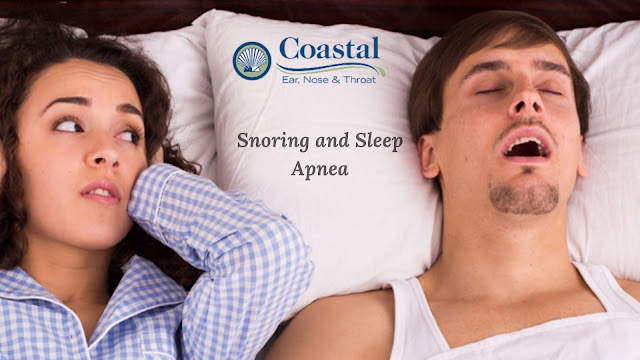
  Chronic snoring may seem harmless, but it can cause serious physical and emotional complications for both snorers and those who sleep with them. Vibrating tissue in the soft palate is believed to play a major role in most cases of chronic snoring. The Pillar® Procedure, which is manufactured by Medtronic, Inc., is a simple, minimally invasive way to effectively treat snoring , as well as mild-to-moderate obstructive sleep apnea , by stiffening the soft palate. The procedure is not recommended for patients with severe sleep apnea or for those who are overweight. Benefits of the Pillar Procedure The Pillar Procedure is an effective treatment for snoring and mild sleep apnea. Patients who have undergone the Pillar Procedure report a significant decrease in snoring. The procedure itself is minimally invasive and can be performed in a single doctor’s visit. After the procedure, discomfort is minimal, and the patient’s usual diet and activities can be resumed on the same day. The Pilla...